%402x.svg)
For decades, shore power on typical marina docks has remained largely unchanged. A pedestal, a receptacle with hidden (often corroded) contacts, a heavy power cord, and a cumbersome twist-lock plug.
Connect the boat, deliver the power and move on.
For years, that model worked. But the marina industry is changing and the electrical infrastructure supporting it is under increasing pressure.
Today's boats are more sophisticated. They use more onboard technology and, in many cases, require more power. At the same time, marina operators are managing aging infrastructure, evolving electrical safety requirements, rising maintenance costs and growing expectations from customers.
And just over the horizon is another major shift: marine electrification.
The question facing marina operators is no longer simply whether their existing shore power infrastructure still works, it's whether it is built for where the industry is going.
Walk through a marina today and the change is obvious. Modern boats have increasingly sophisticated electrical systems supporting everything from air conditioning and heating to refrigeration, battery charging, onboard entertainment and other high-demand equipment.
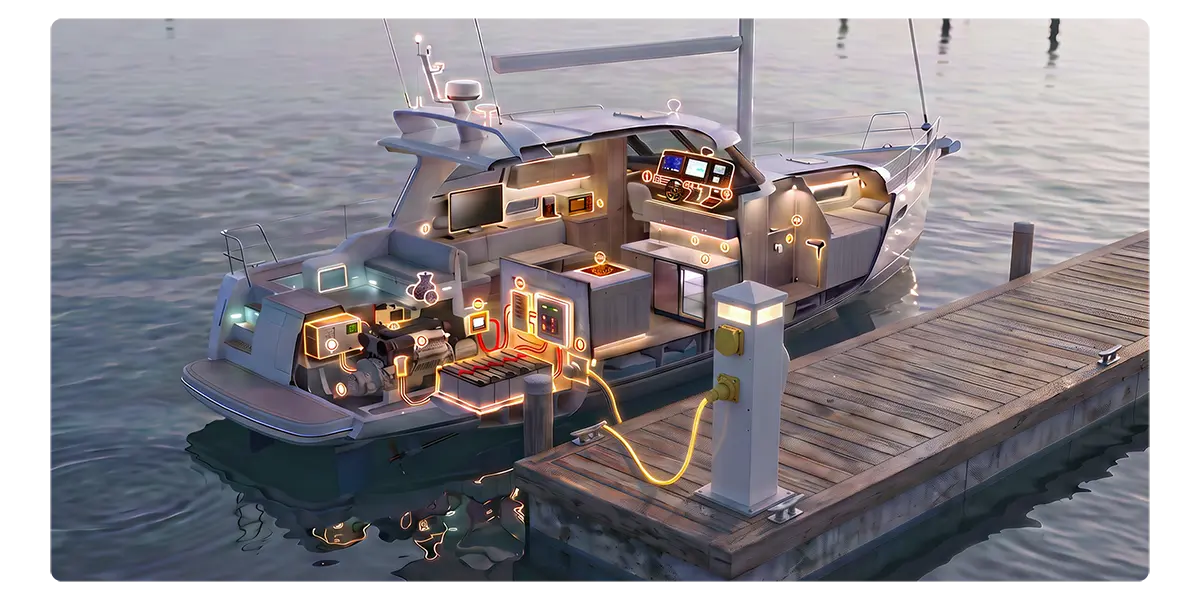
That means the dock is being asked to do more. For marina operators, more demand can eventually translate into difficult (and expensive) questions about electrical capacity:
These aren't small questions. Electrical upgrades can represent significant capital investments, particularly when work extends beyond replacing an individual pedestal and into the marina's broader electrical distribution system.
And yet, many operators still have limited visibility into what is actually happening across the dock.
That's because traditional shore power infrastructure was designed to deliver electricity, not provide intelligence about it.
Think about how many electrical connections a large marina manages.Potentially hundreds of boats, hundreds of cords, hundreds of individual connections, and a vast amount of electricity moving through the property.
Yet in a traditional setup, operators may not have real-time visibility into every connection, every electrical event or every boat's energy consumption.This is both nerve-wracking and potentially dangerous.
Often, problems are discovered the old-fashioned way.
A breaker trips > a boater reports a problem > marina staff walk the dock > a technician investigates > a meter is read manually.
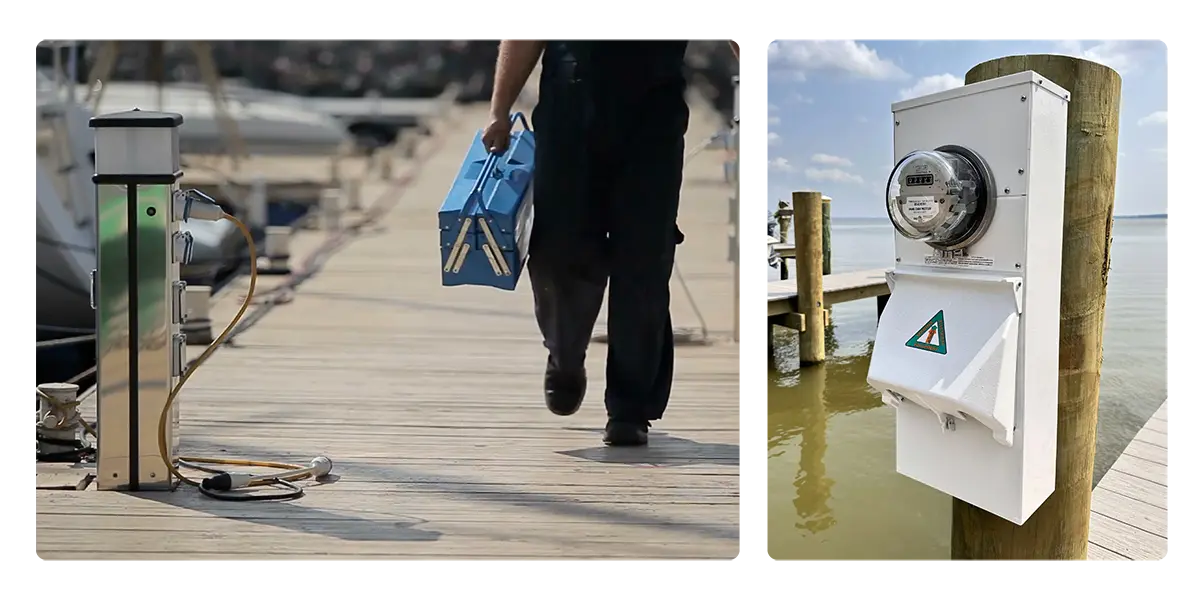
The issue is addressed after it becomes visible. That reactive model creates an operational challenge. You can't easily manage what you can't see.
As power becomes a more important part of the marina's operations, that lack of visibility becomes increasingly difficult to ignore. Electricity isn't just another utility expense. It affects operations, customer service, maintenance planning and, potentially, the marina's ability to accommodate the boats of the future.
Marinas also operate in one of the most challenging environments imaginable for electrical equipment.
Water. Salt. Humidity. Corrosion. Movement. Vibration. Heavy loads. Constant connection and disconnection. That environment demands careful attention to electrical safety and maintenance.
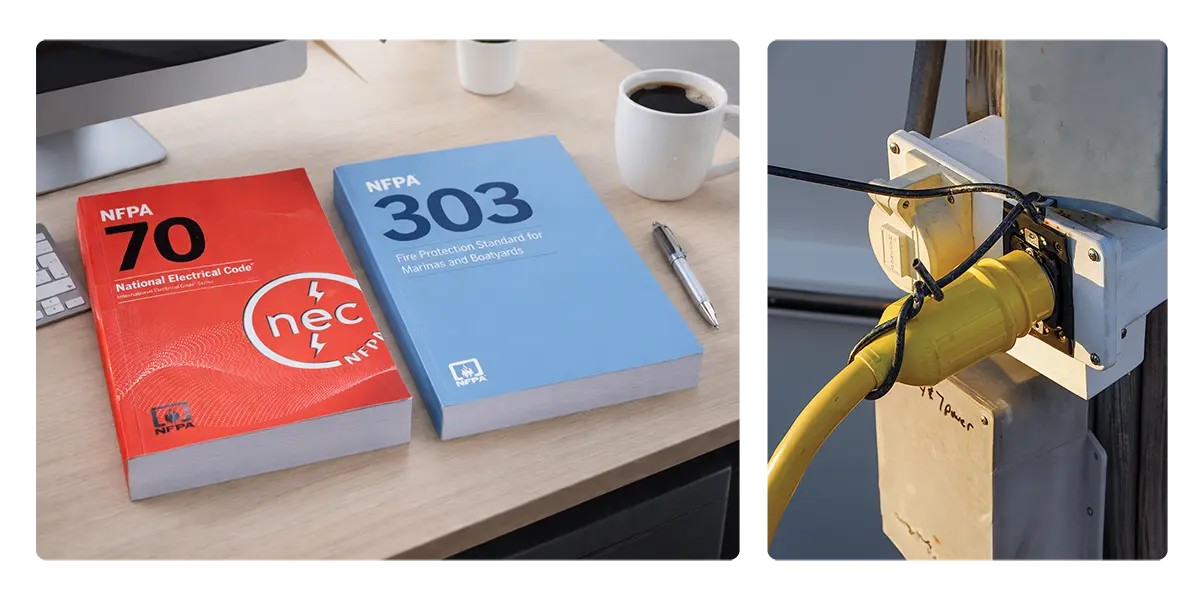
In the United States, Article 555 of the National Electrical Code specifically addresses marinas, boatyards and docking facilities, including requirements related to ground-fault protection. The code's approach reflects the importance of limiting potentially hazardous leakage current and protecting marina electrical systems. NFPA 303 also addresses the inspection, testing and maintenance of electrical wiring and equipment at marinas and boatyards, including regular inspection requirements and attention to damaged, worn or corroded equipment.
In Canada, the Canadian Electrical Code's Section 78 addresses marine wharves, docking facilities, fixed and floating piers and boathouses. Among its requirements are dedicated branch circuits for shore power and ground-fault protection requirements for certain marina distribution equipment. The code also includes demand-factor rules for calculating loads serving shore-power receptacles serving as another reminder that properly planning marina electrical infrastructure requires more than simply counting outlets.
For marina operators, the practical reality is clear:
Electrical infrastructure cannot simply be installed and forgotten.
It must be inspected, maintained, monitored, repaired and, eventually, upgraded. That creates pressure on both sides of the business equation.
Aging pedestals and electrical infrastructure eventually need investment and once a marina begins a major electrical upgrade, costs can quickly expand beyond the visible equipment at the dock. Operators may need to consider capacity, distribution, protection and the long-term demands being placed on the system.
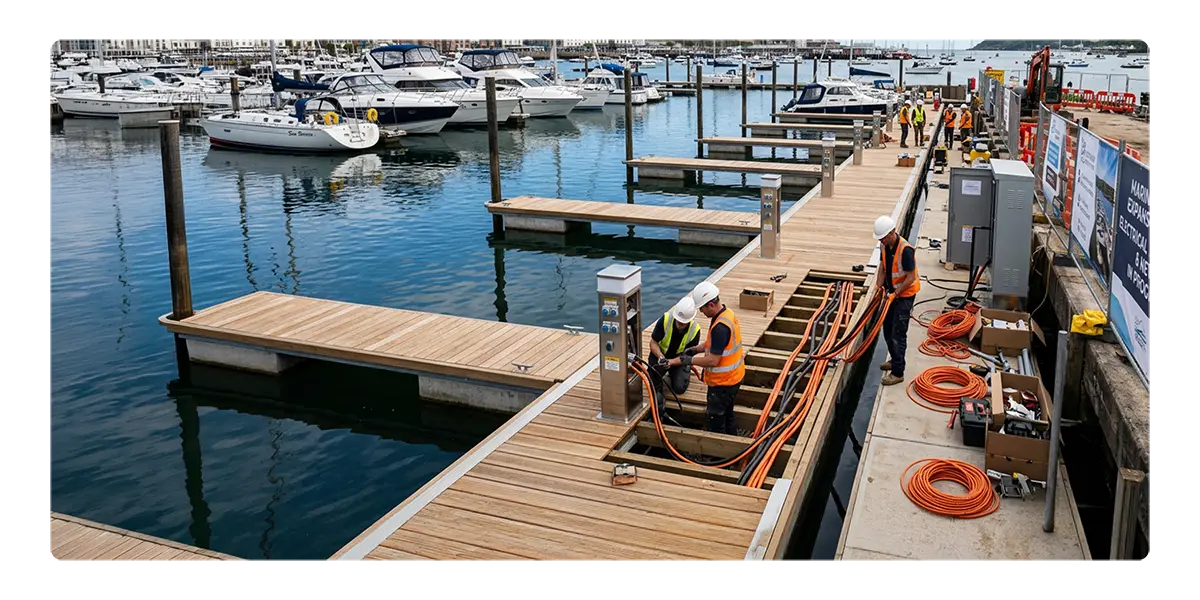
Then there is the cost of operating the infrastructure from maintenance to inspections, troubleshooting, to manual meter readings, billing, responding to outages and issues. This all results in a significant amount of labour hours in staff time.
If a marina makes a major investment in typical new electrical equipment, it still operates it with the same manual processes it used decades ago.
This raises a critically important question:
If you're already investing in upgrading your electrical infrastructure, shouldn't the new infrastructure make your marina easier to operate?
The boating industry is also moving toward a more electrified future. That doesn't mean every boat at every marina will suddenly become fully electric. But vessels are increasingly incorporating larger battery systems, hybrid technologies and new electrical loads, while electric propulsion continues to develop across the marine sector.
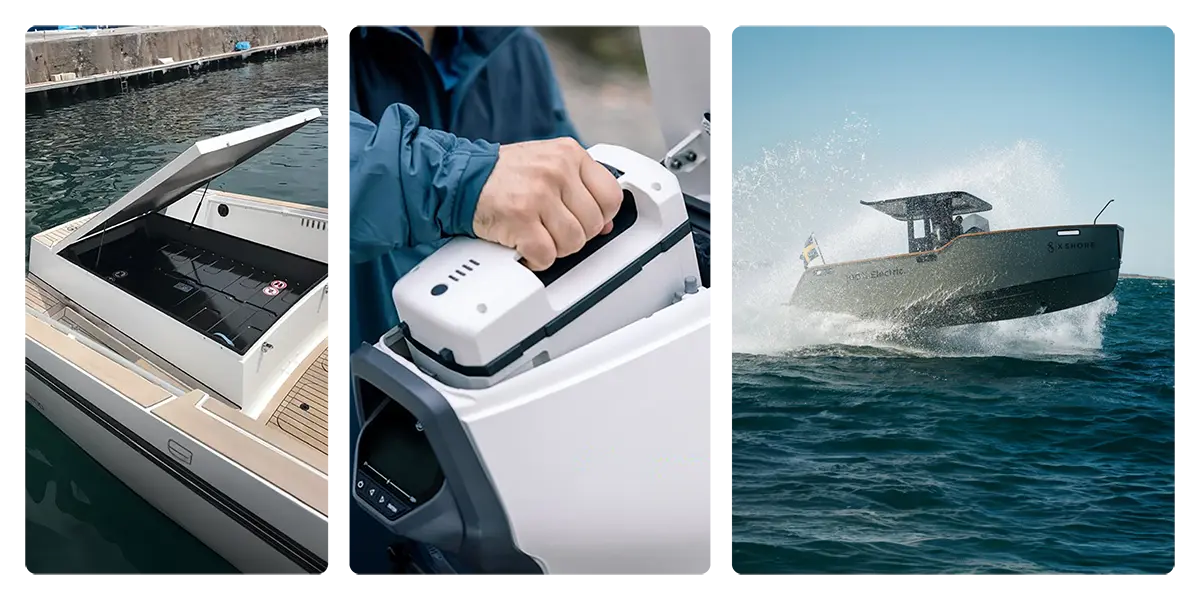
For marina operators, the challenge is uncertainty:
And perhaps most importantly:
How do you make smart infrastructure decisions today without knowing exactly what those demands will look like tomorrow?
Simply building bigger is not always the answer. Bigger infrastructure can be expensive.
What operators increasingly need is the ability to understand how their infrastructure is actually being used and make better decisions based on real data.
That is where the conversation around shore power needs to change.
For decades, the goal of a shore power pedestal has been straightforward: deliver electricity to the boat.
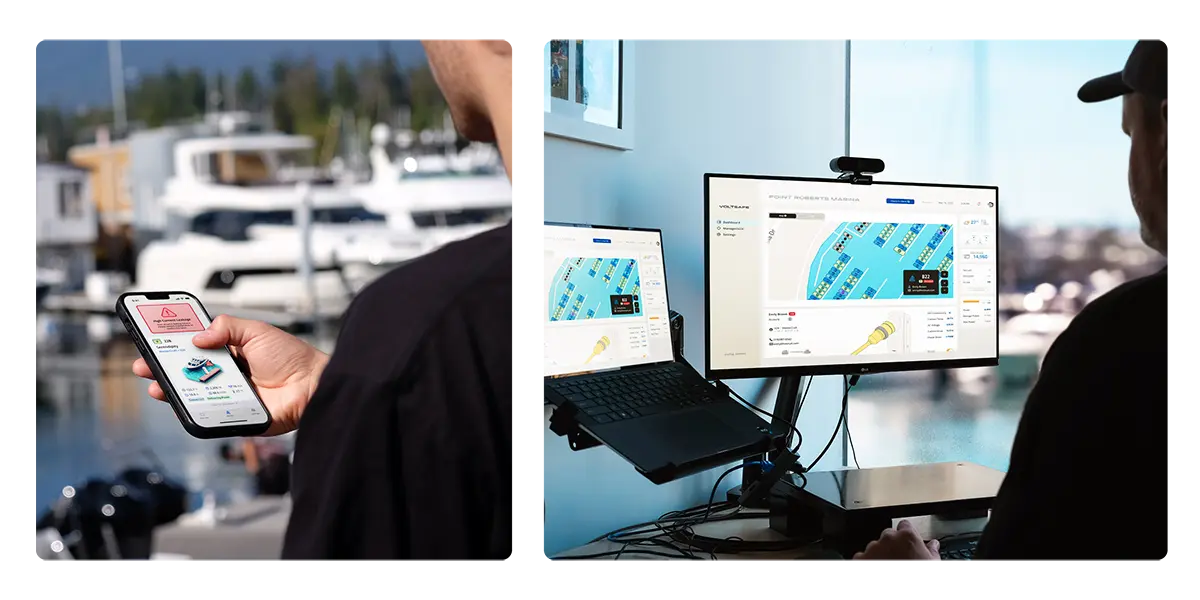
But what if it could do more? What if the connection itself could provide operators with greater visibility? What if energy consumption could be tracked in real time? What if electrical events could be proactively identified without relying entirely on someone walking the dock? What if power could be managed remotely? What if usage data could help operators better understand demand before making their next major infrastructure investment? What if power consumption data could accurately automate billing?
That is the opportunity in front of the marina industry today. The next generation of shore power shouldn't simply provide more electricity. It should provide more intelligence.
This is the critical decision facing many marina operators. When infrastructure reaches the end of its useful life, replacement is often unavoidable, but replacing an aging pedestal with another pedestal based on essentially the same operating model may solve only one problem: the old equipment is gone.
It doesn't necessarily improve visibility. It doesn't automatically reduce manual work. It doesn't necessarily provide better data. And it doesn't necessarily help an operator understand how future power demand is changing across the marina.
In a period when operators are being asked to invest more in electrical safety, maintenance and modernization, there is an opportunity to think differently about what a shore power upgrade should accomplish.
The best infrastructure investments should solve more than one problem:
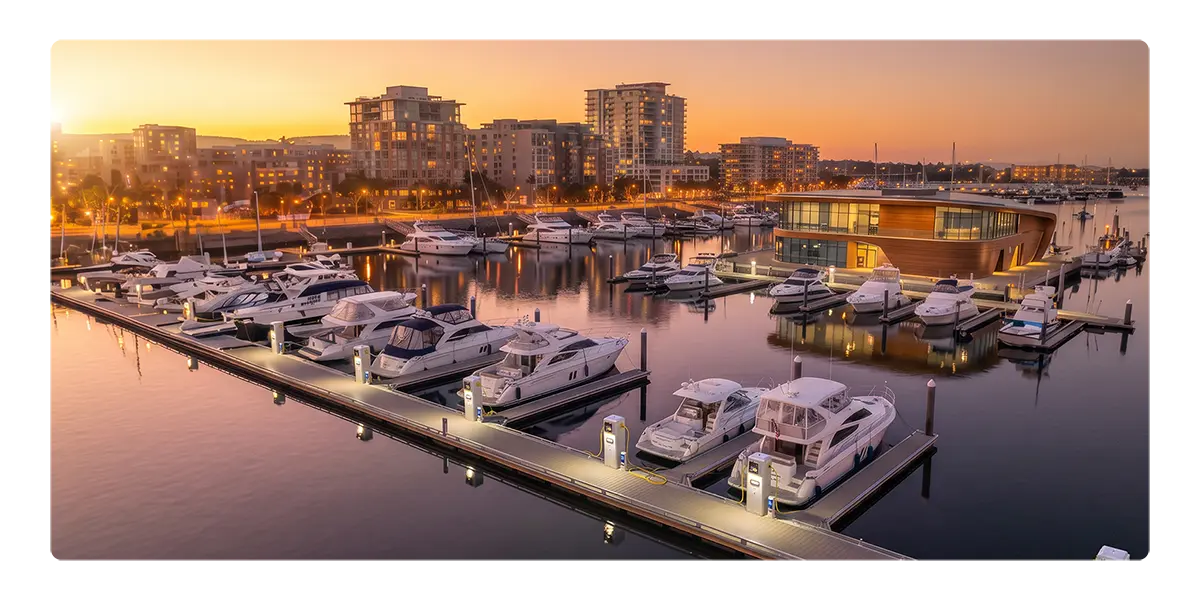
The marina industry is sitting at an important intersection. Aging infrastructure is driving replacement. Safety requirements demand ongoing attention. Power demands are increasing. Operating costs matter more than ever. And electrification is creating both new uncertainty and opportunity. That combination makes shore power ripe for innovation.
The question is no longer whether marinas need electricity, the question is what that electrical infrastructure should look like going forward.
It isn’t helping if it remains largely passive, it should become a connected, intelligent part of marina operations. The marina of the future will need infrastructure that can help operators understand, manage and adapt to the electricity flowing across their docks.
The modern marina doesn’t simply need a new power pedestal, it needs a smarter electrical infrastructure platform. One that starts at the dock but gives operators visibility far beyond it. This is where VoltSafe sets its shore power innovation apart from traditional hardware. We’re ensuring the future of marinas have modern dock-to-dashboard connectivity and intelligence.
In our next article, we'll explore what that future looks like, and why the next generation of shore power may finally give marina operators the intelligence and control that traditional infrastructure has never been designed to provide.
In the meantime, discover more about the future of shore power by WATCHING A DEMO of our award-winning marina ecosystem. You can also book a brief meeting with us to find out how you can modernize your marina’s electrical infrastructure.


%402x.svg)

%402x.svg)
